
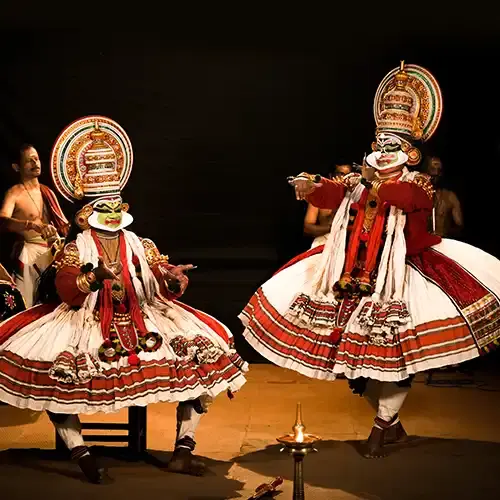
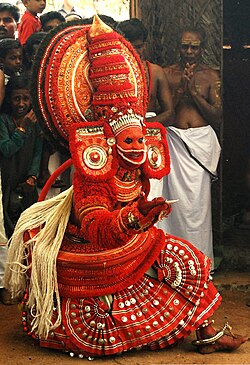
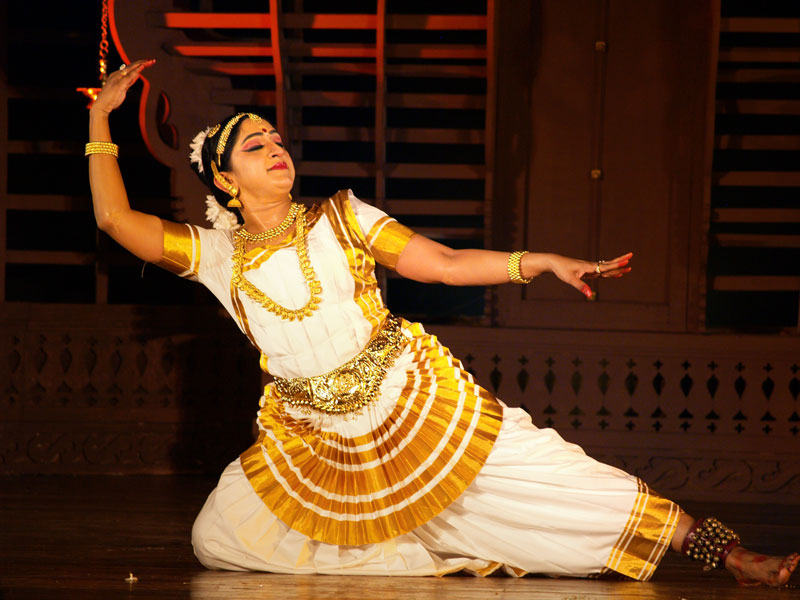
Kerala has always been known for its deep cultural roots. Art forms like Kathakali, Mohiniyattam, Theyyam, Koodiyattam, and Kalaripayattu are not just performances—they are living traditions passed down through generations. For a long time, these art forms were closely tied to temples, festivals, and rural communities. But today, something interesting is happening. Kerala’s traditional artists are no longer performing only for niche audiences. They are attracting new, younger, and global crowds, and doing it without losing their cultural soul.
This shift from heritage to hype is not accidental. It is the result of changing audience behavior, creative presentation, and smarter artist management.
Tradition Meets a New Generation
One of the biggest reasons Kerala’s traditional artists are gaining new followers is changing audience curiosity. Young people today are actively looking for experiences that feel authentic and meaningful. In a world dominated by digital content, traditional performances offer something rare—real emotion, storytelling, and human connection.
Artists are responding by slightly adapting how they present their work. Performances are becoming shorter, more visually engaging, and easier to understand for first-time viewers. Explanations, narrations, and interactive elements help new audiences connect with complex stories and symbolism.
Social Media as a Cultural Stage
Social media has played a powerful role in bringing Kerala’s traditional arts to the spotlight. Short performance clips, costume transformations, makeup processes, and behind-the-scenes moments perform extremely well on platforms like Instagram and YouTube.
A Kathakali makeup video or a Theyyam ritual clip can go viral within hours. These platforms introduce traditional art to people who may have never seen it live. For many artists, social media is now their first stage—and often their biggest one.
From Temples to Modern Venues
Traditionally, many Kerala art forms were performed in temples or village spaces. While these venues still matter deeply, artists are now also performing at:
- Cultural festivals
- College campuses
- Corporate events
- Tourism showcases
- International art festivals
This change in location brings a change in audience. Urban youth, tourists, and international viewers are experiencing Kerala’s art forms in spaces they already feel comfortable in.
The Role of Artist Management
Behind this transformation is better artist management. Managers, cultural organizations, and collectives are helping artists with:
- Branding and storytelling
- Performance scheduling
- Digital presence
- Collaborations with modern musicians and designers
- Access to global platforms
Good management allows artists to focus on their craft while ensuring their work reaches the right audience. It also helps protect the authenticity of the art while making it accessible.
Fusion Without Dilution
One of the most exciting trends is creative collaboration. Traditional artists are working with contemporary musicians, theatre groups, filmmakers, and even DJs. When done thoughtfully, these collaborations create fresh interest without disrespecting tradition.
For example, classical dance paired with modern lighting or traditional percussion blended with contemporary soundscapes can draw curious crowds while still honoring the original art form.
Tourism and Cultural Pride
Kerala’s tourism sector has also played a role in reviving interest. Cultural shows, heritage walks, and curated performances are helping visitors understand the stories behind the art. At the same time, local audiences are rediscovering pride in their traditions when they see global appreciation for it.
Why This Shift Matters
This growing interest is not just about popularity—it’s about survival and sustainability. When new audiences engage with traditional art, artists gain:
- Better income opportunities
- Wider recognition
- Motivation to continue the tradition
- A reason to pass the art to the next generation
Heritage stays alive only when it evolves with time.
Conclusion: Tradition That Moves Forward
Kerala’s traditional artists are proving that heritage does not have to stay in the past to be respected. By embracing modern platforms, thoughtful presentation, and smart management, they are winning new crowds while staying true to their roots.
From temple grounds to trending feeds, Kerala’s art forms are no longer hidden treasures—they are cultural statements finding their place in today’s world.